(02) Time & Vanishing
One River

- (Cultures.)
- Ancient Greece
- (Fields.)
- Philosophy
- (Sent.)
- 2026.10.22
Fresh out of the shower, hair still dripping. Now that it’s grown out, I have to be gentler with the dryer, or I’ll end up yanking strands loose. I lean into the mirror. Another white hair. It’s always these little accidents that do it. Suddenly, years have gone by.
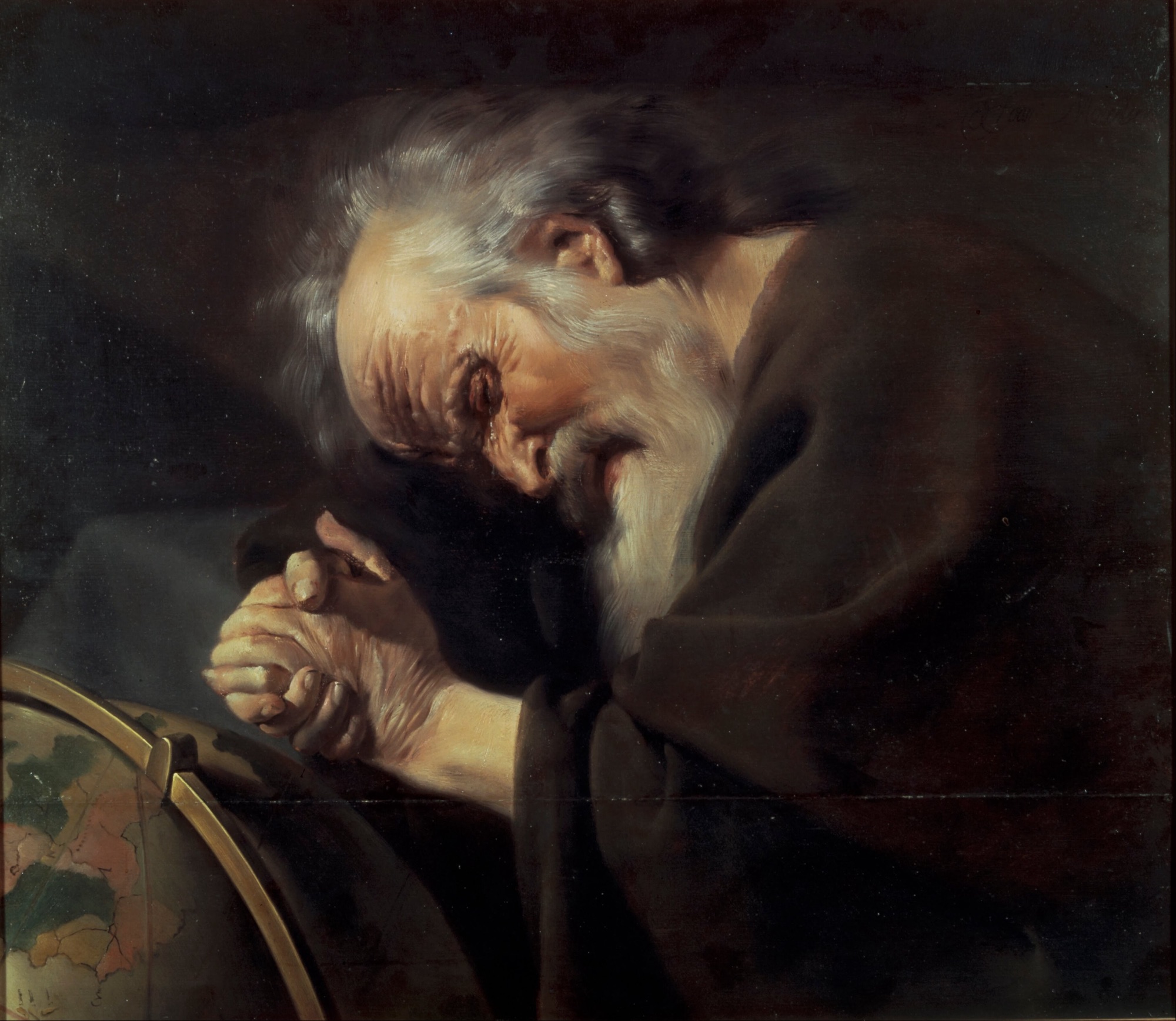
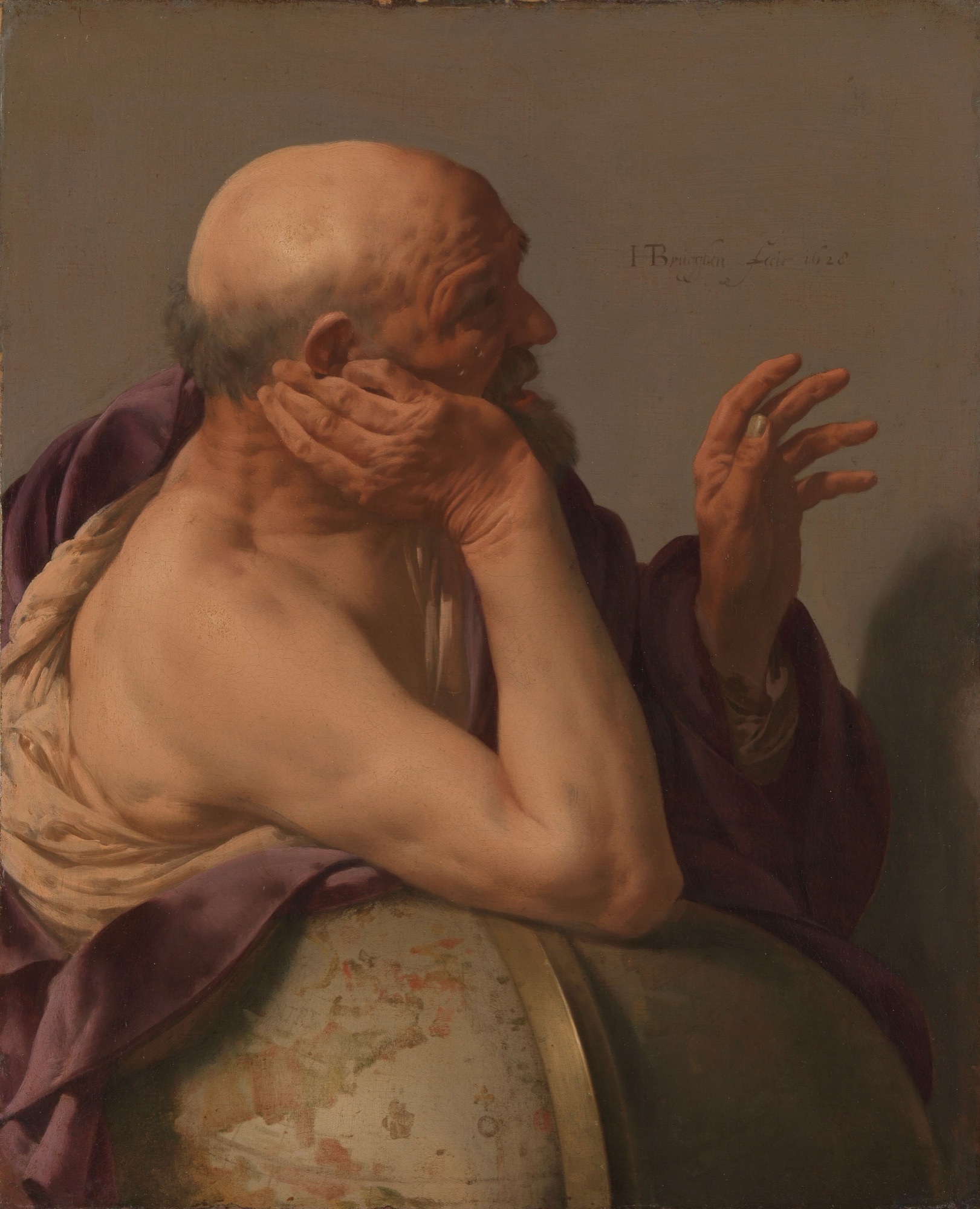
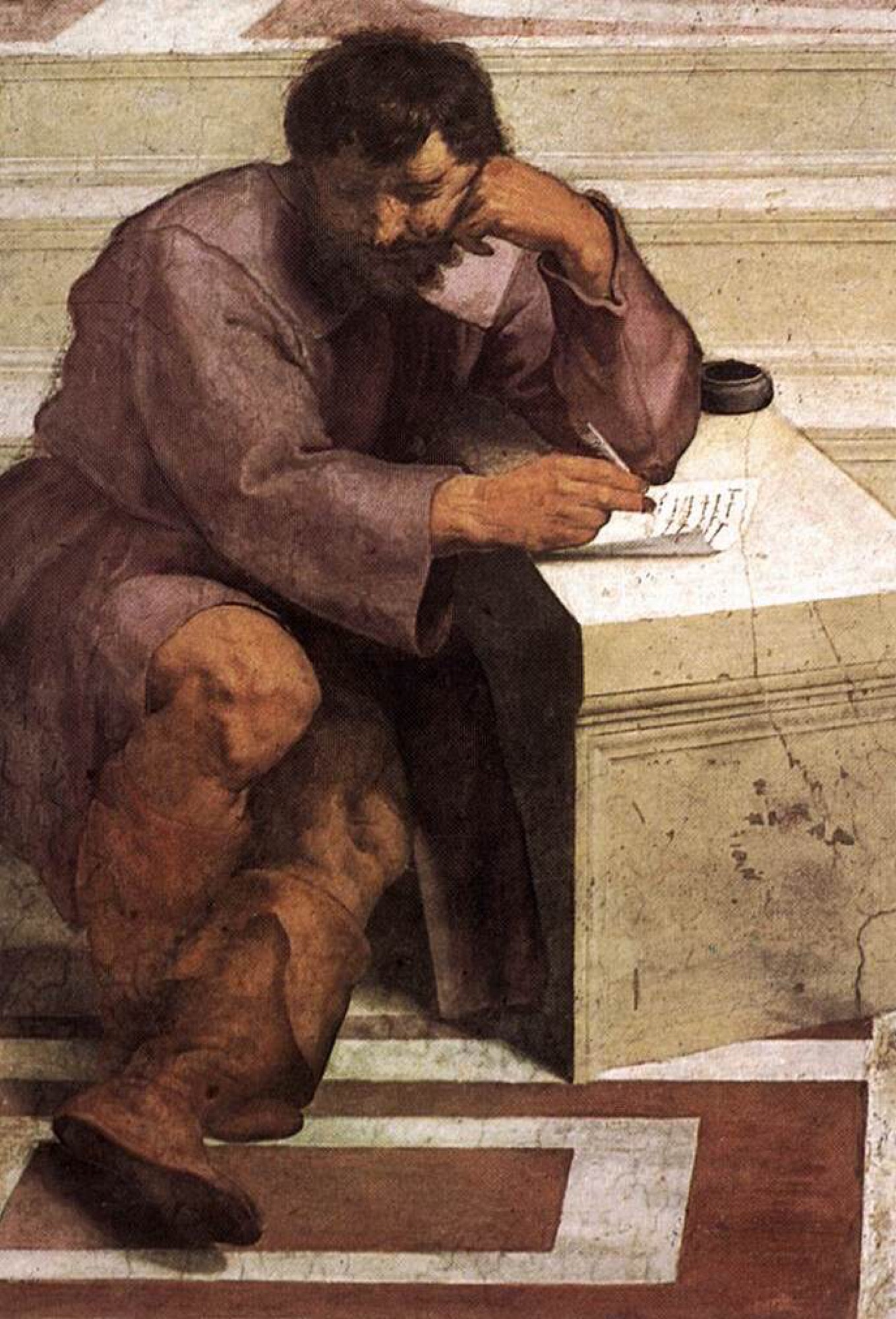
“No man ever steps in the same river twice.” Plain words that somehow add up to something more. You find it on the first page of a book, at the bottom of an email, in a blog post, in someone’s 3 a.m. confession on Threads. And it’s always signed with the same name: Herakleitos. Heraclitus.
I’ve never read him. That one line, lovely and a little sad, was all I knew. Which is kind of funny, now that I think about it. So, on a whim, I decided to find out where it really came from.
I sat with his actual words for a while:
ποταμοῖσι τοῖσιν αὐτοῖσιν ἐμβαίνουσιν ἕτερα καὶ ἕτερα ὕδατα ἐπιρρεῖ.
On those stepping into rivers staying the same other and other waters flow.
Translation: Daniel W. Graham
Step into the same river, and the water flowing past you is different, and different again.
So maybe Heraclitus is standing on the bank, watching the water run past other people’s feet. He’s only watching. He isn’t the one in the river. Maybe that’s what it means to notice time passing: the moment you’re aware of it, you’ve already stepped out of the present. You’re looking on like a stranger, at the far past, the nearer past, the past that hardened into fact a second ago. Meanwhile, my trusty Panasonic does its thing, and in a few minutes my hair goes from soaked to soft and dry.
Back to the hunt. Where did “no man ever steps in the same river twice” actually come from? (Right, we still don’t know who rewrote it.)
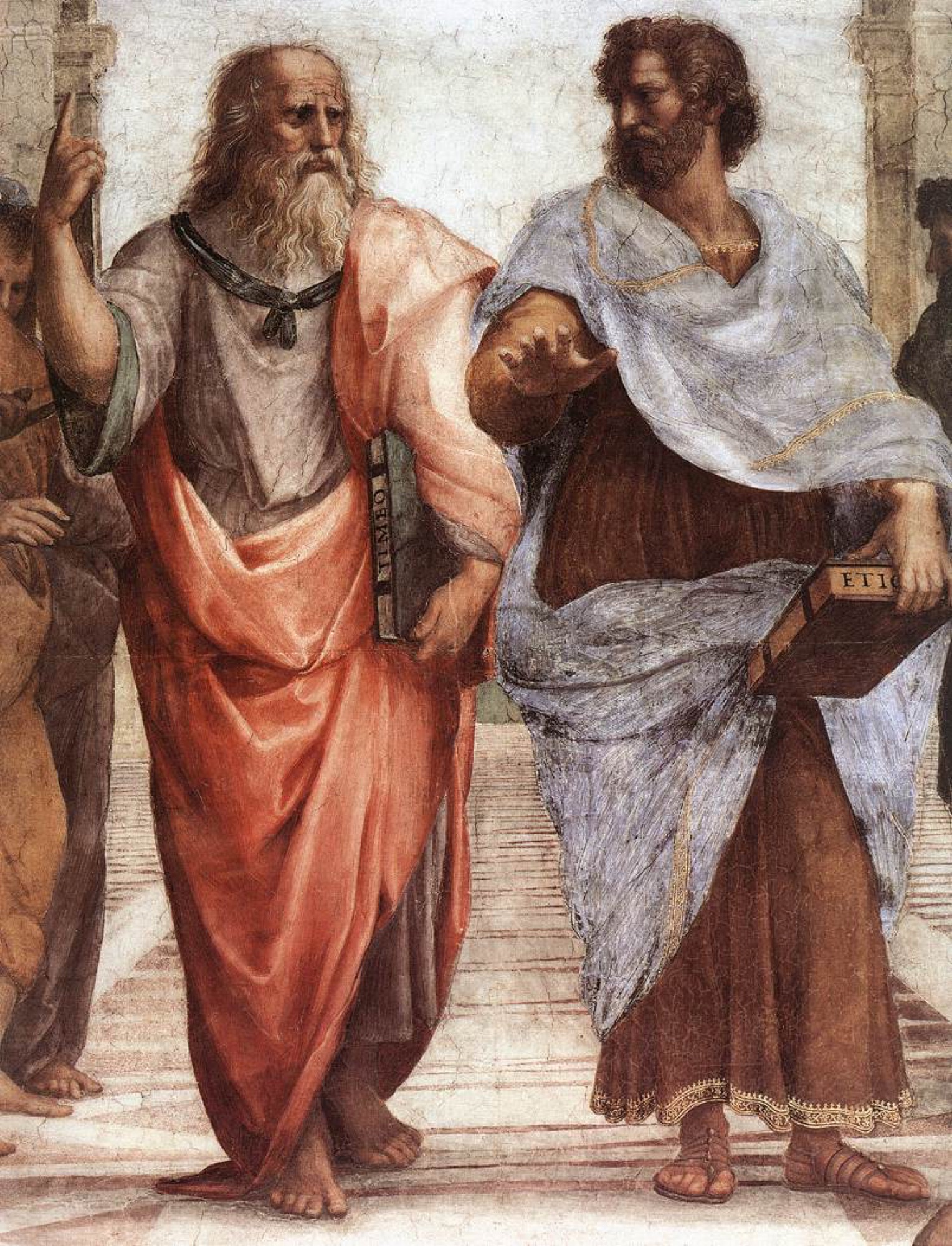
The first name to turn up is Cratylus, a follower of Heraclitus. He was a generation older than Plato, and Plato studied with him when he was young. According to Aristotle¹, Cratylus took Heraclitus to task for saying you can’t step into the same river twice, because, he argued, you can’t step into it even once. I love how vivid that is. Here’s how I picture it: in the split second your foot touches the water, the river has already changed, and so have you. If everything is changing completely, every second, faster than we can follow, then words will never catch up. So, Cratylus concluded, better to say nothing at all. The moment you say something, it’s already wrong. In the end, he’d only move his finger.
Like a conductor. Absolute skepticism aside, I’m drawn to that picture. The second you name a thing, it’s no longer the thing you named. So maybe we could all stand to be a little quieter.
I kept digging, and finally found the oldest surviving text that actually says “you can’t step into the same river twice.” It’s in one of Plato’s dialogues, and the dialogue is called, of all things, Cratylus². In Heraclitus’s line, the subject is the water, flowing past whoever steps in. Plato turned it around and made it about you, as in, you couldn’t step in. And somewhere along the way, the line picked up a new word: “twice” (δὶς).
Maybe Heraclitus was simply writing down something he saw in nature, a state of things. And by the time Plato was done with it, it had become a gloomy announcement that nothing in this world can be held on to. If that version is the one that lasted, it’s probably because we like the sad version better.
So I followed it all the way through, from Heraclitus to Cratylus to Plato, and watched one sentence get molded into different shapes over two thousand years. An observation of time in nature. A doubt about everything. Grief for what’s gone. I touch the few white hairs near my forehead. I remember they showed up all at once, right after I wrapped an exhibition project. But how long ago was that? Does time even matter, right now? I can’t quite explain why it feels so strange. Even a second ago feels impossibly far away, and realizing that sends a chill through me, the kind you get after a good ghost story.
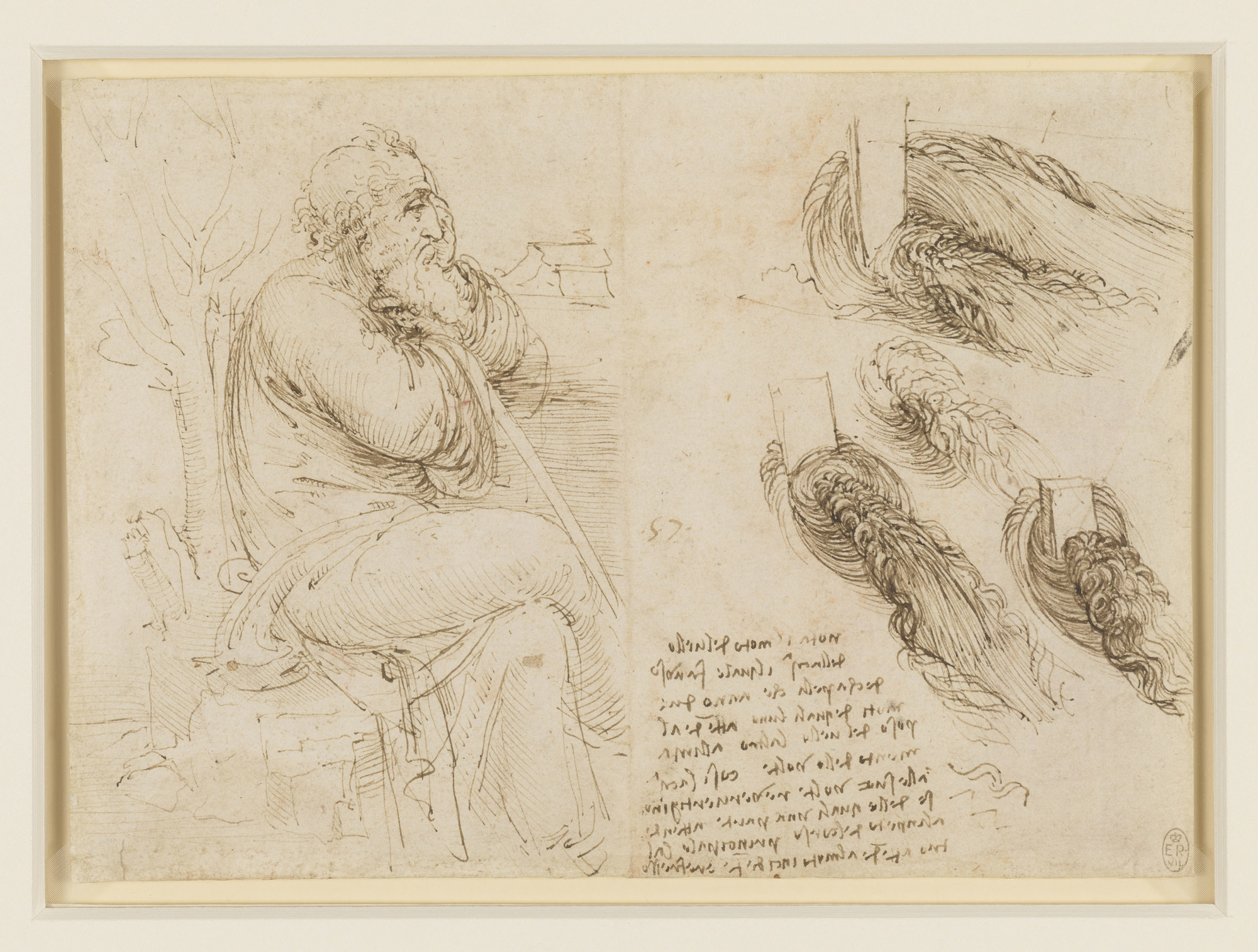
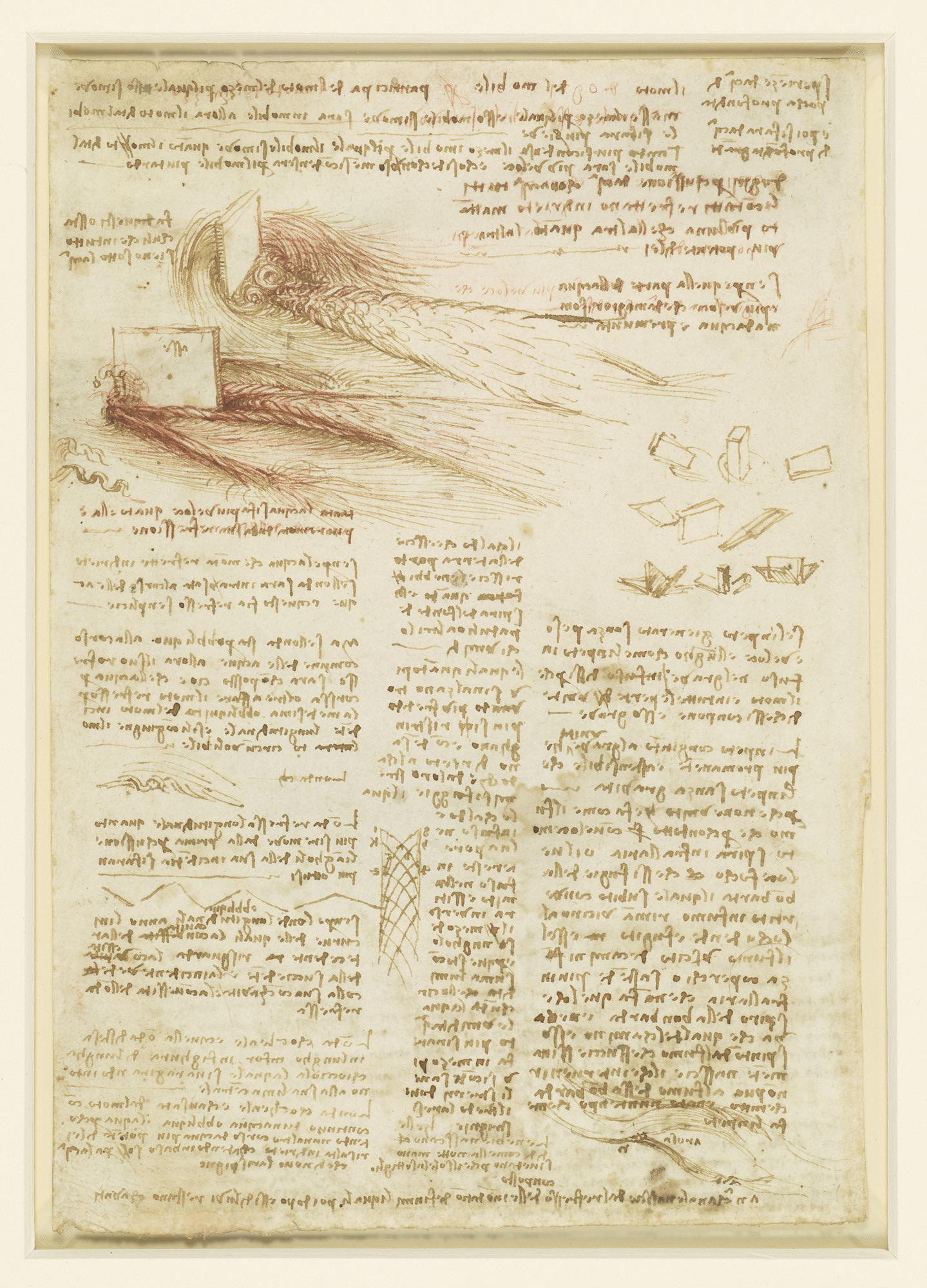
I go back to the original line one more time. Maybe there’s another way to read it. The river keeps moving, the water rushing and murmuring nearby. Isn’t that movement the very proof that everything changes, that things are alive? And if the water stopped, if the moment were sliced out and kept, wouldn’t that be a kind of death?
I lean closer to the mirror and take a good look at myself. Hair is probably like that too. A little falls out every day, a little grows back. The person in the mirror looks about the same as yesterday. But next to ten years ago, hair, cells, all of it, I’m not me anymore.
Different water, and different again.
Different water, and different again.
¹ Aristotle, Metaphysics, Book IV (Γ), chapter 5, 1010a.
² Plato, Cratylus, 402a.
(Share.)
You might also likeAncient Greece, Philosophy, and more...